The Social Media Revolution
Customer Acquisition
Unlike traditional marketing channels, social media operates on discovery-driven rather than intent-driven behaviour. Users are not actively searching for products when they encounter your brand; instead, they discover solutions to problems they might not have even recognised they had.
This discovery-driven approach creates unique advantages for businesses. Social media enables you to introduce products and services to potential customers at the perfect moment when they are most receptive to new ideas and solutions. The key lies in creating content that naturally fits within users’ feeds while providing genuine value.
Research reveals that 58% of consumers now discover new businesses through social media, outperforming traditional search and television advertising in brand discovery. This shift means social platforms have become primary customer acquisition channels rather than just awareness tools.
Community Building
The most successful businesses on social media focus on building engaged communities rather than simply broadcasting messages to mass audiences. These communities create emotional connections that translate into customer loyalty, repeat purchases, and powerful word-of-mouth marketing.
Micro-influencers with 10,000 to 100,000 followers achieve 3.86% engagement rates, compared to just 1.21% for macro-influencers with larger followings. This demonstrates that authentic community building often outperforms celebrity endorsements for driving meaningful business results.
Community-focused strategies include responding to comments and messages promptly, creating user-generated content campaigns, and fostering discussions around topics relevant to your industry. The businesses that excel at community building see significantly higher customer retention rates and lifetime values.
Platform Strategy
Instagram: Visual Storytelling
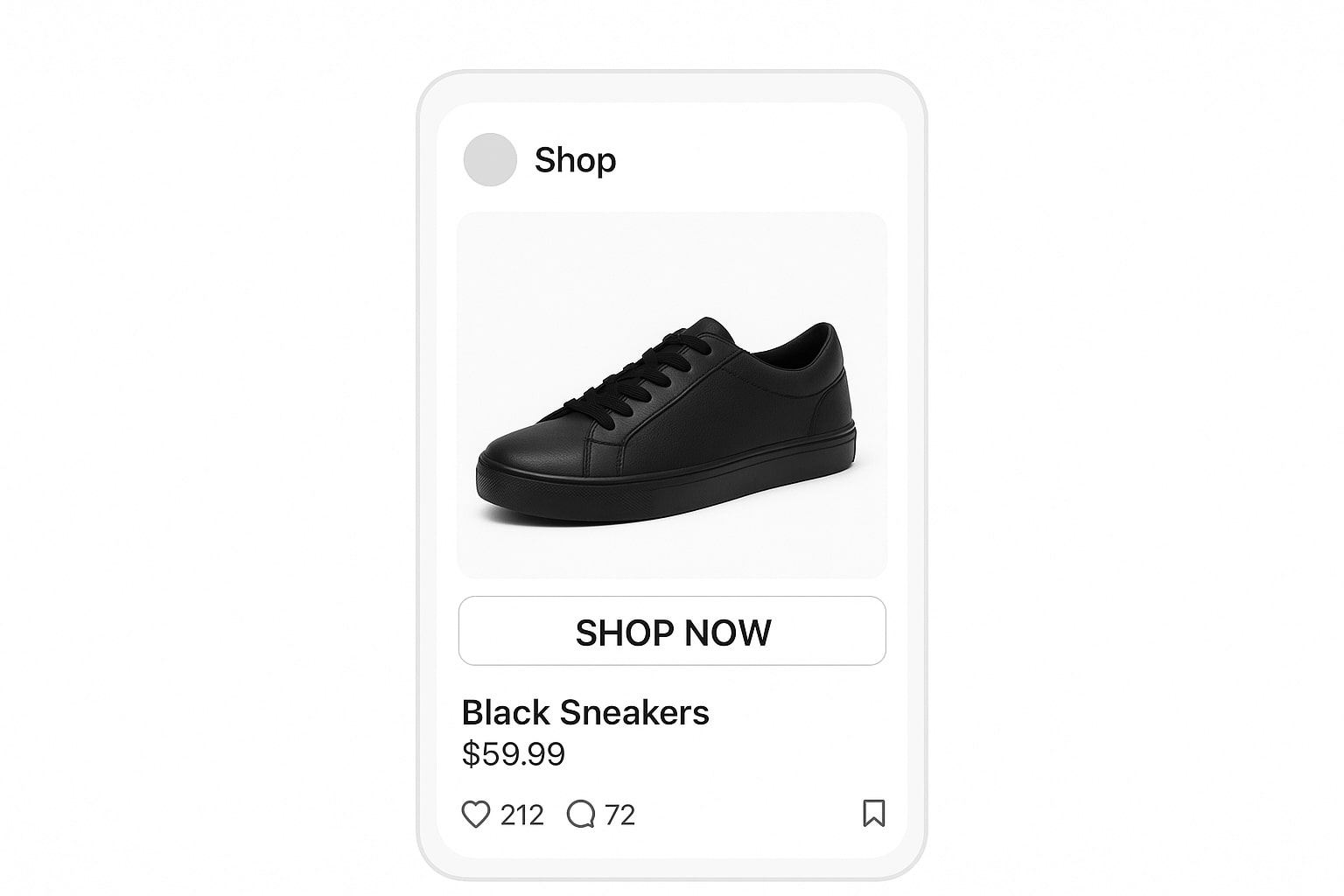
Instagram excels for visually-driven products and lifestyle brands, particularly effective for reaching younger demographics while showcasing products through high-quality imagery and video content. The platform’s shopping features enable direct product discovery and purchase without leaving the app.
Carousel posts on Instagram generate 1.92% average engagement rates, outperforming both single images (1.74%) and videos (1.45%). This superior performance makes carousel posts essential for businesses seeking maximum visibility and engagement from their Instagram marketing efforts.
Key Instagram strategies include:
- High-quality visual content that aligns with brand aesthetics
- Instagram Stories and Reels for authentic, behind-the-scenes content
- Shopping tags and product catalogs that enable direct purchasing
- User-generated content campaigns that build social proof
TikTok: Authentic Engagement Through Video
TikTok has emerged as a powerful platform for reaching younger demographics through authentic, engaging video content that feels genuine rather than promotional, proving ideal for effective social media marketing. The platform’s algorithm prioritizes content that generates genuine engagement over follower counts, creating opportunities for businesses of all sizes.
TikTok advertising delivers an average return on ad spend (ROAS) of 2.4x, outperforming traditional display ads. This superior performance stems from the platform’s algorithmic targeting and creative-first approach that resonates with users seeking entertainment and authentic experiences.
The key to TikTok success lies in understanding platform culture and creating content that entertains while subtly showcasing products or services. Businesses that master TikTok’s authentic, conversational tone see significant increases in brand awareness and customer engagement.
LinkedIn: B2B Authority
LinkedIn remains essential for business-to-business marketing, providing a platform for thought leadership content and professional relationship building. Carousel posts on LinkedIn drive 11.2x more impressions than text-only updates, making visual content crucial even for professional networking.
LinkedIn strategies focus on sharing industry insights, participating in professional discussions, and positioning company leaders as thought authorities within their fields. This approach generates high-quality leads from decision-makers who value expertise and professional credibility. If you have a brand worth knowing about, it’ll flourish through social media marketing on LinkedIn.
Advanced Social Media Strategies
Social Commerce Integration
Social commerce revenue is expected to reach $1 trillion globally by 2028, growing at a robust 14.7% compound annual growth rate. This massive growth creates opportunities for businesses to integrate direct selling capabilities into their social media presence.
One in three young Americans now shop on social media weekly, demonstrating that social platforms have become legitimate retail channels rather than just marketing tools. Businesses that integrate shopping features into their social media strategy capture customers at the moment of interest rather than redirecting them to separate e-commerce sites.
Effective social commerce strategies include:
- Shoppable posts that enable direct purchasing from social feeds
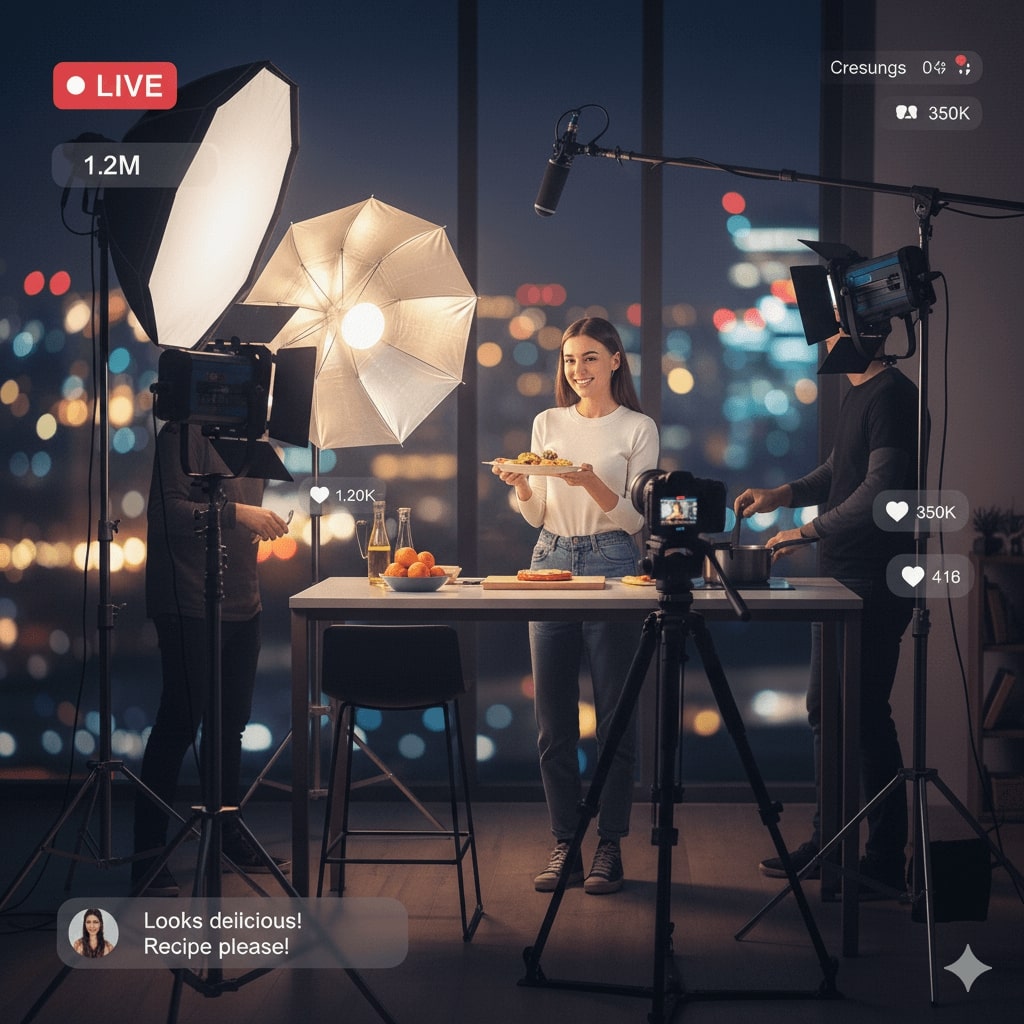
- Live shopping events that combine entertainment with real-time product demonstrations
- AR try-before-you-buy features that reduce purchase hesitation
- Influencer partnerships that showcase products in authentic contexts
AI-Powered Content and Optimization
Artificial intelligence increasingly optimizes social media marketing through automated content creation, posting schedule optimization, and audience targeting refinement. Meta’s AI-powered Advantage+ Placements achieve 4% higher click-through rates and 3.8% conversion lifts compared to standard placements.
AI tools analyze customer behavior patterns to identify optimal posting times, content formats, and audience segments for maximum engagement. This data-driven approach replaces guesswork with strategic precision, enabling businesses to achieve better results with less manual effort.
Influencer Marketing ROI
Influencer marketing delivers an average ROI of $5.78 per $1 spent in 2025, nearly double the ROI of traditional digital advertising. This superior return on investment stems from the trust consumers place in influencer recommendations over traditional advertising messages.
61% of consumers trust influencer endorsements more than traditional ads, while 69% trust product recommendations from influencers they follow. This trust translates into higher conversion rates and customer acquisition costs that often outperform other marketing channels.
Successful influencer partnerships focus on authentic collaborations with creators whose audiences align with target customer demographics. The most effective campaigns feel natural and provide genuine value rather than obvious promotional content, making it one of the most trusting methods of social media marketing.
Content Strategies For Engagement
User-Generated Content and Social Proof
User-generated content serves as powerful social proof while providing authentic marketing materials that resonate with potential customers. Businesses that successfully encourage customer content creation see significant increases in brand trust and purchasing confidence.
UGC strategies include:
- Branded hashtag campaigns that encourage customer sharing
- Customer spotlight features that celebrate loyal customers
- Review and testimonial sharing that builds credibility
- Contest and giveaway campaigns that incentivize participation
Interactive Content and Real-Time Engagement
Interactive content formats generate significantly higher engagement rates than passive content consumption. These formats include polls, quizzes, live videos, Q&A sessions, and contests that encourage active participation rather than passive scrolling.
The key to interactive content success lies in making participation easy while providing immediate value or entertainment. Businesses that master interactive formats see substantial increases in audience engagement and community building.
Measuring Social Media Marketing Success
Revenue Attribution
Effective social media marketing measurement connects platform activity to actual business outcomes rather than focusing solely on vanity metrics. Track metrics that directly correlate with revenue generation, customer acquisition, and business growth.
Essential measurement approaches include:
- Conversion tracking from social media to sales
- Customer lifetime value from social media acquisition
- Brand awareness and sentiment monitoring
- Community growth and engagement quality
Platform-Specific Performance Optimization
Each social media platform requires unique measurement approaches based on user behavior and platform capabilities. Instagram success might focus on visual engagement and shopping conversion, while LinkedIn emphasizes thought leadership and B2B lead generation.
Use platform-specific analytics tools to understand content performance, audience behavior, and optimization opportunities. This data enables informed decisions about content strategy, posting frequency, and resource allocation across different platforms so you can stay informed on the results of your social media marketing efforts.
Integration with Broader Marketing Strategy
Omnichannel Customer Experience
Social media marketing achieves maximum effectiveness when integrated with broader marketing initiatives including email marketing, content marketing, and search engine optimization. This integration creates consistent customer experiences across all touchpoints while maximizing the impact of each marketing channel.
Successful integration strategies include:
- Cross-platform content promotion that adapts messages for each channel
- Social media advertising retargeting based on website behavior
- Email and social media integration for comprehensive customer nurturing
- SEO and social media synergy that amplifies organic visibility
Customer Service and Community Management
Modern social media marketing requires treating platforms as customer service channels where quick, helpful responses build brand reputation. Customers increasingly expect businesses to address questions, concerns, and feedback through social media platforms.
Effective community management includes monitoring brand mentions, responding to customer inquiries promptly, and proactively engaging with industry conversations. This approach transforms social media from one-way broadcasting into two-way relationship building.
The Future of Social Media Marketing
Emerging Technologies and Trends
Several technological advances will shape social media marketing in 2025 and beyond, including augmented reality shopping experiences, voice commerce integration, and blockchain-based authenticity verification. Early adoption of these technologies provides competitive advantages for forward-thinking businesses.
Augmented reality adoption is expected to reach nearly 75% of smartphone users, creating opportunities for virtual try-before-you-buy experiences and immersive product demonstrations. Businesses that experiment with AR capabilities now will be positioned to capitalize as adoption accelerates.
Sustainability and Ethical Marketing
67% of customers are more likely to support influencers who advocate for sustainable products and practices, indicating growing consumer preference for socially responsible brands. Social media provides platforms for authentic storytelling about sustainability initiatives and ethical business practices.
This trend toward conscious consumerism creates opportunities for businesses to differentiate themselves through authentic commitment to social and environmental responsibility. The companies that succeed will be those that integrate sustainability into their core business model rather than treating it as a marketing afterthought.
Competitive Advantage
Businesses that master comprehensive social media marketing strategies do not just compete; they dominate their markets by building stronger customer relationships, generating higher-quality leads, and creating sustainable competitive advantages through community building and authentic engagement.
The companies thriving in 2025’s social media landscape are those that understand platforms are not just promotional tools but relationship-building infrastructure that requires consistent investment, strategic thinking, and genuine commitment to providing customer value.
For businesses serious about growth, social media marketing is not optional; it is the customer engagement foundation that transforms followers into loyal customers and brand advocates who drive sustainable business success.
Businesses using video content see significantly higher engagement rates and conversion potential compared to static posts. The key is creating authentic, valuable content that showcases your expertise while entertaining and educating your audience.